
By Gabriel Tan, PASCDR Secretariat
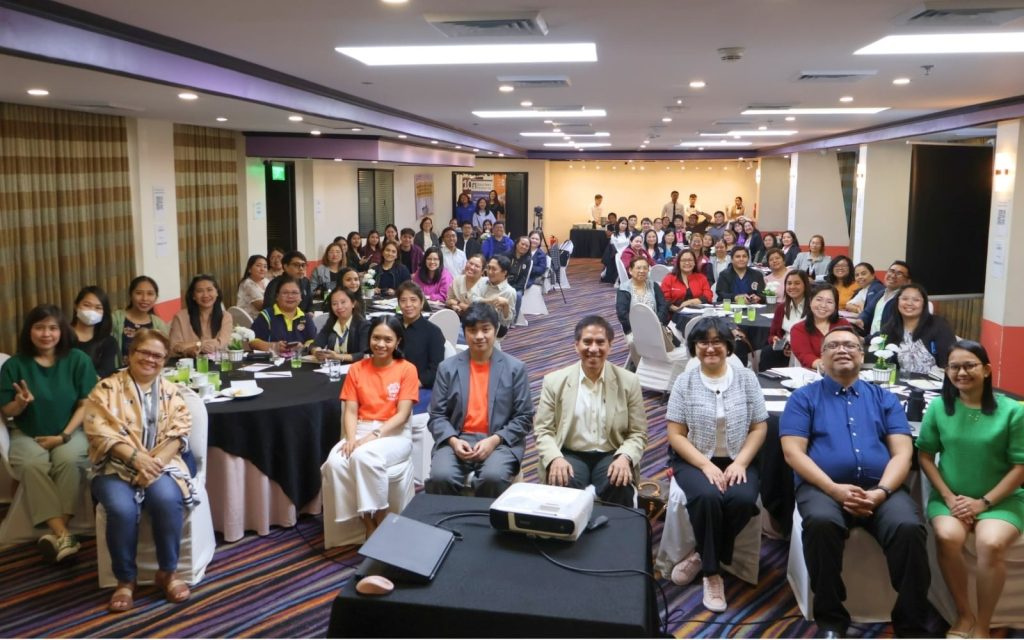
The Philippine Academic Society for Climate and Disaster Resilience (PASCDR) participated in the dissemination of the preliminary findings of the Longitudinal Cohort Study on the Filipino Child (LCSFC) held on November 28, 2025 at Bayview Park Hotel, Manila.
Now in its tenth year, the LCSFC is a 14-year nationwide research initiative (2016-2030) that follows nearly 5,000 Filipino children from Luzon, Visayas, and Mindanao who were 10 years old at the start of data collection back in 2016. The study examines how the implementation of the Sustainable Development Goals shapes the lives, wellbeing, and future trajectories of Filipino children. It is jointly supported by the Australian Government, the Philippine Government through its National Steering Committee, UNFPA, and UNICEF. The study is led by the University of San Carlos – Office of Population Studies Foundation, Inc.
The findings presented highlighted several concerning trends: rising cases of child, early, and forced marriage (CEFMU); increased school dropout rates; higher risks for depression, suicidal ideation, and attempted self-harm; and limited access to and utilization of community health services. These patterns were linked to persistent socioeconomic and protection-related pressures, including poverty, exposure to violence at home, child labor, and delinquency, among others.
Participants engaged in a group workshop to propose programmatic responses, policy reforms, and long-term development strategies that could address these complex, intersecting issues.
For PASCDR, the findings underscore the critical links between child wellbeing and disaster and climate resilience. Children experiencing poverty, violence, poor mental health, or disrupted education face heightened vulnerability during emergencies and slower recovery after disasters. Limited access to health and social services also constrains their resilience to climate-related shocks. Insights from the LCSFC can guide the design of child-sensitive DRR-CCA programs, strengthen social protection systems, and inform more inclusive community resilience policies.
PASCDR looks forward to continued engagement with partners in advancing evidence-based, child-centered approaches to resilience building across the Philippines.