
By Ma. Shara Micah Oliquino, PASCDR Secretariat
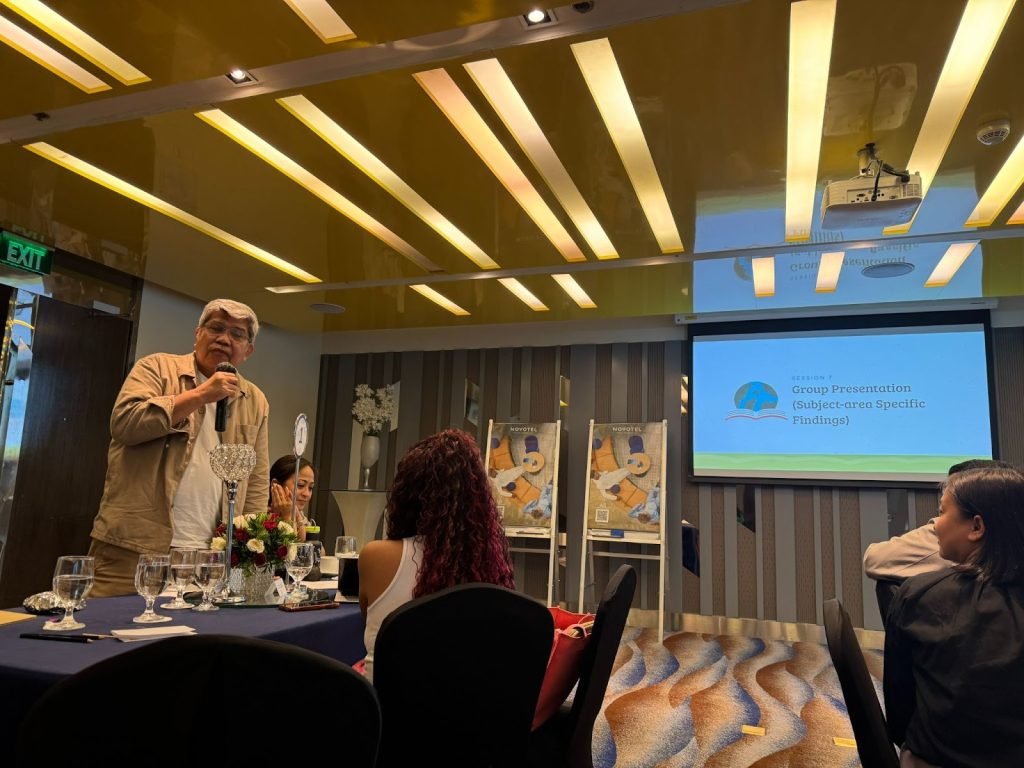
To help strengthen climate and disaster education for Filipino learners, the Philippine Academic Society for Climate and Disaster Resilience (PASCDR) shared its expertise at the Greening the Curriculum: Validation Workshop on 11 December 2025 at Novotel Manila Araneta City, Quezon City. Organized by Save Philippine Seas in partnership with UNICEF Philippines and the Department of Education (DepEd), the workshop brought together educators, researchers, and other stakeholders to review initial findings from the Greening the Curriculum (GTC) study. The study examines how effectively disaster risk reduction and climate change adaptation (DRR-CCA) concepts are reflected in the learning competencies of DepEd’s basic education curricula.
Filipino youth play a crucial role in empowering themselves and their communities to become more aware, informed, and prepared amid the Philippines’ growing exposure to climate change and natural hazards. Since the implementation of the K–10 MATATAG Curriculum and the Strengthened Senior High School Curriculum in 2024, DepEd has integrated climate change and disaster-related concepts across multiple subject areas beyond the Natural Sciences, including Social Sciences, Technology and Livelihood Education, and Values Education. While these efforts align with both local and international frameworks, such as UNESCO’s Greening Curriculum Guidance: Teaching and Learning for Climate Action, feedback from teachers and learners through UNICEF Philippines’ Change the Current program indicates that gaps remain between the DRR-CCA–related learning competencies prescribed in the curricula and how they are actually delivered in classrooms.
Insights from teachers and learners underscored the need for continued review, validation, and support to ensure that climate and disaster resilience education translates into meaningful and effective teaching and learning experiences. Within DepEd’s basic education sector, curricula must not only reflect the best available science but also consider local contexts and the lived realities of learners from diverse backgrounds. In line with the objectives of the GTC study, current curriculum implementation shows that simply including climate and disaster concepts is insufficient; these must be strengthened to ensure relevance, practicality, and applicability to learners’ daily lives. Through the study, the research proponents aim to enhance the delivery of climate change and disaster risk literacy during learners’ formative years, recognizing the vital role of youth perspectives in building resilient communities.
During the validation workshop, educators and experts in DRR-CCA shared insights and recommendations to help strengthen the GTC study’s research objectives. These discussions took place during breakout sessions led by PASCDR President Dr. Emmanuel M. Luna, who encouraged fellow participants and researchers to reflect on how curriculum relevance to climate change and disaster resilience should be assessed, the appropriate stages for introducing climate-related competencies across grade levels, and the need to balance knowledge and skills with attitudes, behaviors, and aspirations. The consultation helped ensure that the study’s findings and recommendations moving forward remain evidence-based, context-sensitive, and responsive to the needs of both teachers and learners.

A key objective of the GTC study is to assess how effectively DepEd’s curricula address the essential climate and disaster risk competencies that students and teachers need across all grade levels and subject areas. In presenting the study’s progress, the researchers highlighted their use of the ‘KASAB’ framework (standing for Knowledge, Attitudes, Skills, Aspirations, and Behaviors) to evaluate how these dimensions are reflected in the DRR-CCA-related learning competencies in DepEd’s basic education curricula. This approach ensures that climate change and disaster resilience education goes beyond imparting factual knowledge, equipping learners with the skills, attitudes, and aspirations necessary to take meaningful action within their communities. Preliminary findings, however, indicate a significant imbalance across the KASAB dimensions, highlighting the need to rethink how DepEd should support educators in building teacher capacity and delivering effective instruction.
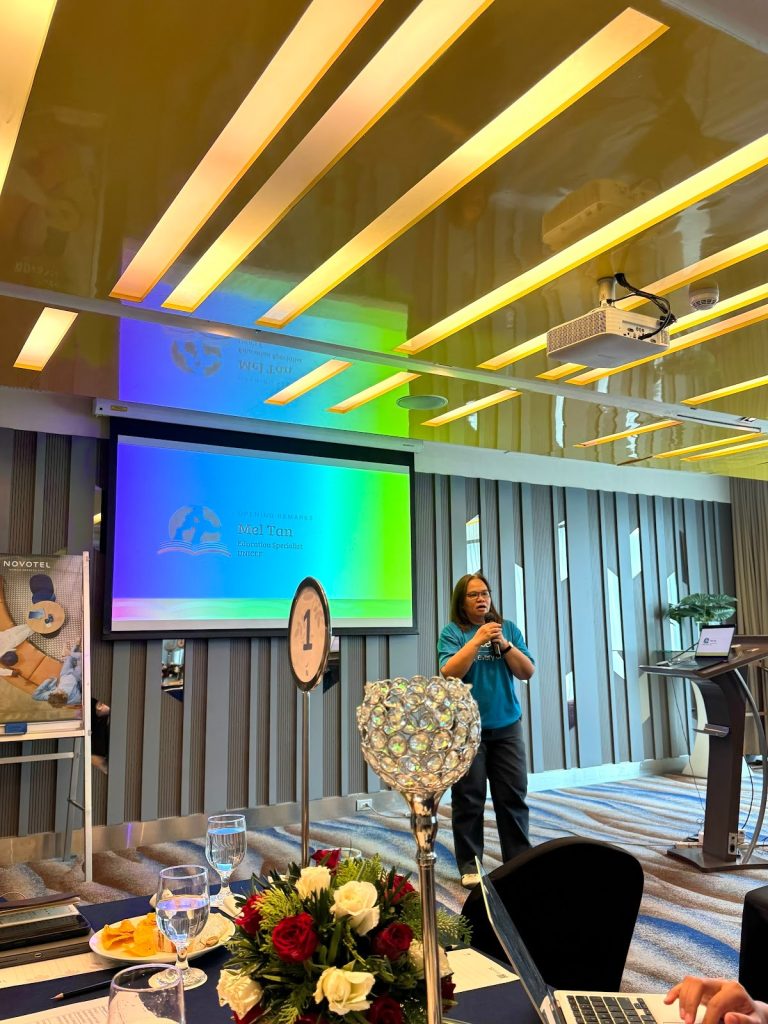
Responding to these findings, Education Specialist Mel Tan from UNICEF Philippines, one of the GTC study’s researchers, emphasized that DepEd’s curricula already include hundreds to thousands of learning competencies, making it impractical to simply “add more relevant DRR-CCA content.” Instead, she highlighted the importance of improving how existing competencies are taught and delivered. Strengthening teacher capacity, she noted, is essential to ensure that climate and disaster education is meaningful, relevant, and responsive to the current needs of both teachers and learners.
As of the end of 2025, the review of DRR-CCA–related learning competencies remains ongoing, with the research team continuing to engage stakeholders from various institutions. In the first quarter of 2026, focus group discussions will be conducted in selected DepEd Schools Division Offices nationwide to further deepen these insights. Through the validation workshop and upcoming consultations, the GTC study hopes to adopt a community-based approach that places teachers and learners at the center of climate and disaster resilience education. These efforts seek to strengthen meaningful learning engagement, empowering young Filipinos to contribute to safer communities and improved preparedness for climate and disaster-related risks.